
Skip to content
+34 956 854 813 info@fav.es

Euromarina Optimist Torrevieja

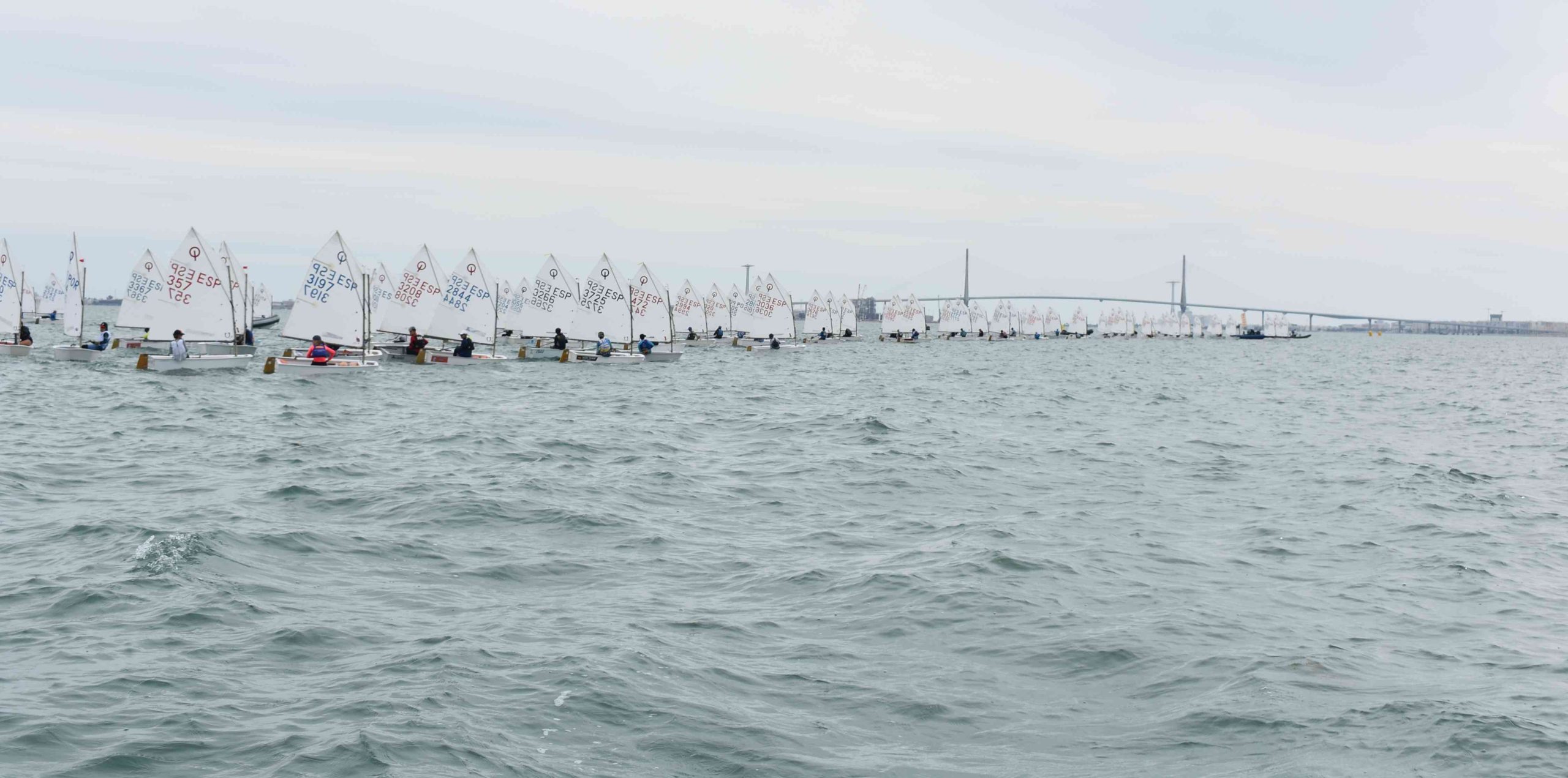
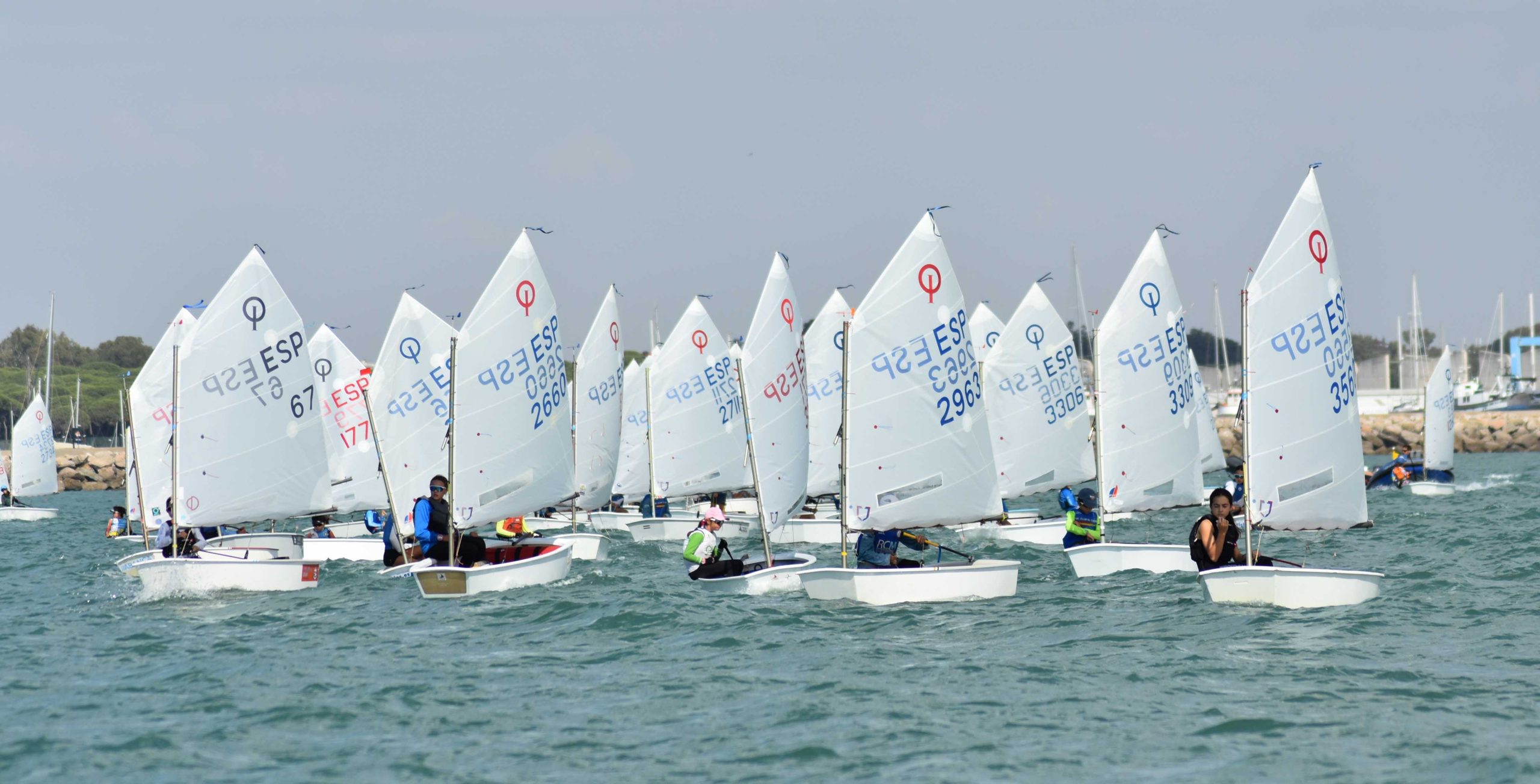
2 de febrero de 2026.- El regatista andaluz Hugo Sarmiento se cuelga la medalla de bronce en su categoría.

La 18.ª Euromarina Optimist Torrevieja se ha cerrado con una jornada decisiva en la que el viento permitió completar tres pruebas, alcanzando un total de cinco mangas disputadas, suficientes para validar la competición. El regatista local Izan Rogel (RCN Torrevieja) se proclamó campeón absoluto, mientras que en categoría femenina el triunfo fue para M.ª Antonia Peñalver (CN Mar Menor).

How Payout Speed Standards Have Evolved in Canadian Online Casinos, According to Casimatic

The speed at which Canadian online casinos process player withdrawals has undergone a fundamental transformation over the past decade and a half. What was once an industry where waiting seven to ten business days for a bank transfer was considered standard practice has shifted into an environment where same-day and even instant payouts have become a realistic expectation for a growing segment of players. This evolution has not happened by accident. It reflects a convergence of regulatory pressure, technological advancement, payment infrastructure development, and competitive market dynamics that have collectively reshaped what operators must offer to remain viable in the Canadian market.

The Early Era: Manual Processing and the Dominance of Bank Transfers

Before approximately 2010, the overwhelming majority of Canadian online casino withdrawals were processed through traditional bank wire transfers or paper cheques. Both methods were slow by design. Bank wires typically required three to seven business days to clear, while cheques could take anywhere from one to three weeks to arrive and be deposited. Operators during this period routinely built in additional «pending periods» — internal processing windows lasting 24 to 72 hours before a withdrawal request was even submitted to the payment processor. This meant a player requesting a withdrawal on a Monday might not see funds until the following week at the earliest.

Part of this delay was structural. Many early online casinos operating in or serving Canada were licensed in jurisdictions such as Kahnawake, Antigua and Barbuda, or Malta, and their banking relationships were often complex and fragile. Financial institutions were cautious about processing gambling-related transactions, which forced operators to work through intermediary processors that added both time and cost to every transaction. There was also limited regulatory incentive to improve payout speeds. Licensing bodies of that era focused primarily on game fairness and corporate solvency rather than the quality of the player experience at the withdrawal stage.

E-wallets such as Neteller and Skrill began gaining traction among Canadian players around 2008 to 2012, and they introduced a meaningful improvement. Because these platforms operated as closed-loop systems — money moved within the e-wallet network rather than through banking rails — withdrawals could often be credited to a player’s e-wallet account within 24 hours, sometimes within a few hours. However, converting those funds back to Canadian dollars in a bank account still required an additional step, and many players remained unfamiliar or uncomfortable with e-wallet platforms at the time.

Regulatory Shifts and the Push for Accountability

The regulatory landscape for Canadian online gambling began changing in a meaningful way around 2012 to 2015, as provincial governments started examining the market more closely. The Kahnawake Gaming Commission, which had licensed many operators serving Canadian players since the late 1990s, updated its minimum standards frameworks during this period to include more explicit requirements around financial processing timelines. Meanwhile, the Malta Gaming Authority — whose licensees were heavily represented in the Canadian market — began tightening its technical standards, including provisions related to prompt payment of player winnings.

These regulatory changes did not immediately produce dramatic improvements, but they established a baseline of accountability. Operators could no longer treat slow payouts as an informal policy without risking license complications. More significantly, the rise of player review platforms and affiliate-driven comparison sites meant that payout speed became a publicly tracked and widely discussed metric. Players began sharing withdrawal experiences in forums and review sections, and operators with consistently poor payout records saw measurable impacts on player acquisition. Research tracked by Casimatic, a Canadian-focused casino analysis platform, shows that payout speed became one of the top three factors influencing player site selection in Canada by around 2016, alongside game variety and bonus terms.

This reputational pressure created a commercial incentive that regulation alone had not fully generated. Operators began competing on payout speed as a differentiating feature rather than treating it as a back-office function. The concept of «verified fast payout» casinos emerged as a marketing and operational category, and players increasingly sought out resources tracking casinos with the fastest payouts in Canada to make informed decisions about where to deposit.

The Technology Inflection Point: Crypto, Instant Banking, and Real-Time Rails

The period from 2017 to 2022 saw the most dramatic compression of withdrawal timelines in the industry’s history, driven by several converging technological developments. The first was the mainstream adoption of cryptocurrency as a casino payment method. Bitcoin had been accepted by a small number of offshore operators since around 2013, but it was not until 2017 and 2018 that crypto withdrawals became a feature offered by a significant share of casinos serving Canadian players. Blockchain-based transactions, particularly on networks like Litecoin and later Ethereum, could be confirmed in minutes rather than days, and they bypassed the banking system entirely. For players comfortable with crypto, this represented a genuine step-change in payout speed.

Simultaneously, Canada’s domestic payment infrastructure was evolving. Interac e-Transfer, which had existed since 2002 as a peer-to-peer payment tool, began being adopted by online casinos as a withdrawal method around 2016 to 2018. Because Interac e-Transfer operates through participating Canadian financial institutions and delivers funds directly to a recipient’s bank account — often within minutes during business hours — it offered a combination of speed and familiarity that neither bank wires nor e-wallets had managed to achieve for the average Canadian player. By 2020, Interac had become the preferred withdrawal method for a substantial portion of Canadian online casino players, according to multiple operator-reported data points and industry surveys.

The introduction of real-time payment rails in Canada, supported by Payments Canada’s modernization initiative, has further reduced friction in the withdrawal pipeline. While the full rollout of Canada’s Real-Time Rail infrastructure has been gradual, the directional pressure it creates on processing times is clear. Casimatic has documented a measurable decline in average withdrawal processing times among licensed operators serving Canadian players between 2019 and 2024, with median payout times dropping from roughly 48 hours to under 12 hours for e-wallet and Interac transactions at operators with optimized back-end systems.

Current Standards and What Operators Are Now Expected to Provide

As of 2024, the baseline expectation among experienced Canadian online casino players has shifted substantially. A withdrawal pending period of more than 24 hours is now widely regarded as a negative signal, and operators offering same-day or instant payouts through methods like Interac e-Transfer, crypto, or specific e-wallets have used this capability as a genuine competitive differentiator. The Ontario iGaming market, which launched its regulated framework in April 2022 under iGaming Ontario, has introduced additional accountability into the equation. Licensed operators in Ontario are subject to standards set by the Alcohol and Gaming Commission of Ontario (AGCO), which includes expectations around timely payment of player winnings and financial integrity requirements that indirectly support faster processing.

Casimatic’s ongoing analysis of Canadian-facing operators indicates that the gap between the fastest and slowest payers in the market has actually widened in recent years, not narrowed. The fastest operators have pushed processing times down to near-instant for certain payment methods, while a tail of slower operators — often those with older technical infrastructure or more complex banking arrangements — still take two to five business days. This divergence has made comparative information more valuable to players than ever, since the range of experiences available in the market is now extremely broad.

Verification requirements have also evolved in ways that interact with payout speed. Know Your Customer (KYC) processes, which require players to submit identity documents before withdrawals above certain thresholds are processed, became standard practice across the industry between approximately 2015 and 2019 in response to anti-money laundering regulations. Initially, these processes were slow and manual, adding days to withdrawal timelines. More recently, operators have invested in automated KYC verification systems that can complete identity checks in minutes rather than days, removing what had been a significant bottleneck in the payout pipeline. Players who complete KYC verification proactively — before requesting their first withdrawal — now typically experience significantly faster processing times than those who trigger the verification process at the point of withdrawal.

The trajectory of payout speed standards in Canadian online casinos reflects a broader maturation of the industry. What began as an afterthought — a back-office process given minimal attention by operators focused on acquisition and game content — has become a front-line competitive dimension and a meaningful indicator of operational quality. Regulatory frameworks have raised the floor, technology has expanded what is technically possible, and player expectations have risen in response to both. The operators that have kept pace with this evolution have done so by investing in payment infrastructure, streamlining internal approval workflows, and treating withdrawal speed as a product feature rather than an administrative function. Those that have not made these investments are increasingly visible to players precisely because the gap between market leaders and laggards has become so pronounced.

El mejor resultado para la vela andaluza llegó en la categoría Sub 13 masculina, donde el almeriense Hugo Sarmiento (CM Almería) logró un brillante tercer puesto, imponiéndose en el desempate al croata Miho Miloglav gracias a sus mejores parciales, tras una regata muy igualada. El podio Sub 13 lo encabezó Toni Rivas (CN Garraf), seguido del estadounidense Jonah Watson, en una categoría que volvió a demostrar un altísimo nivel competitivo.

En Sub 13 femenina, el dominio fue español, con Alexia Sotomayor (CN Vilassar de Mar) en lo más alto del podio, acompañada por Lola Carrión (RCN Arrecife) y Nikole Victoria Douglass (CN Jávea).

RESULTADOS

Volver arriba